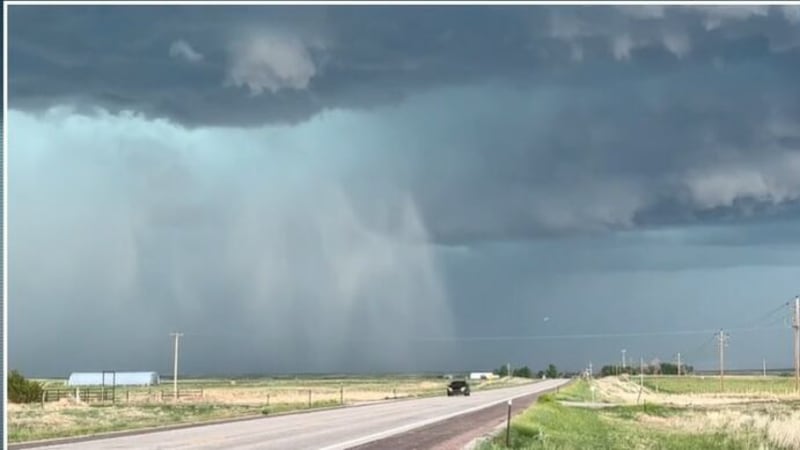
ANF meteorologist recalls EF-3 Michigan tornado spotted during 2022 storm chase
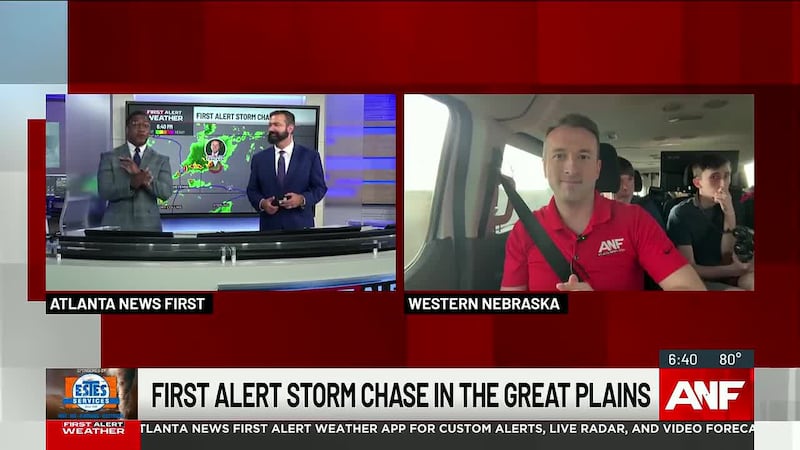
ATLANTA, Ga. (Atlanta News First) — Leading up to this year’s First Alert Storm Chase, First Alert Meteorologist Isaac Williams recaps 2022’s storm chase — a 10-day expedition that covered more than 6,000 miles and brought students face-to-face with one of the region’s most significant weather events in decades.
The journey begins
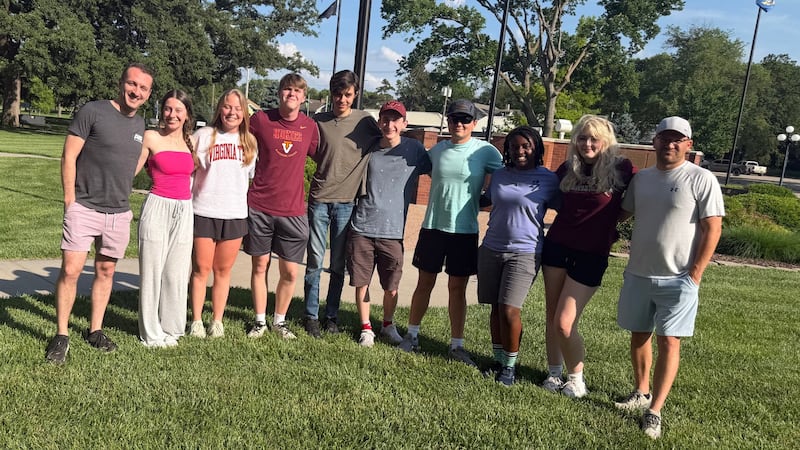
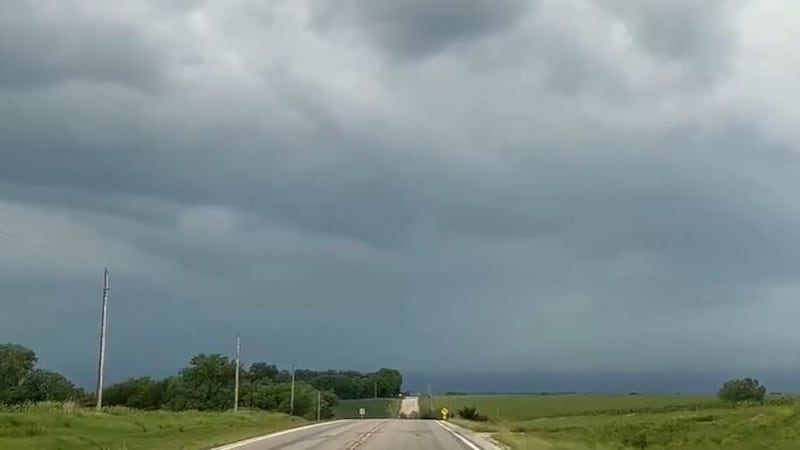
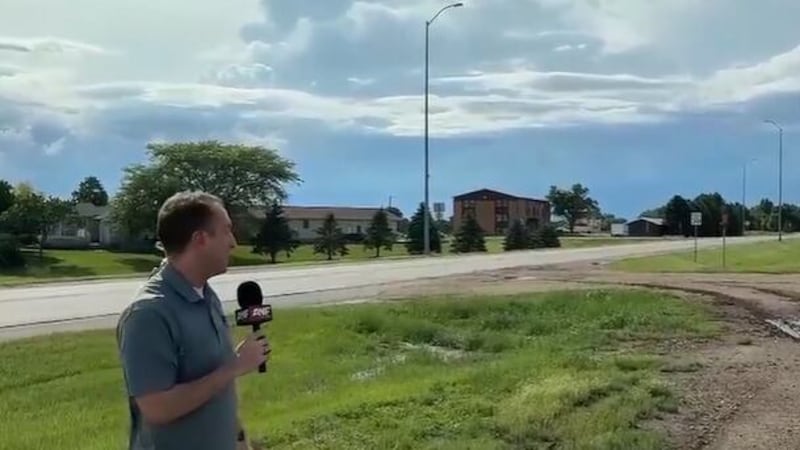
Students from Mississippi State University’s field course, along with Dr. Gutter and Williams, headed west and then north in search of severe weather. The route took them through some of the nation’s most active storm corridors, where atmospheric conditions were primed for significant severe weather development.
The first leg of the chase moved through Arkansas and into Missouri, where the team encountered severe storms producing hail and damaging wind. While the conditions were intense, tornadoes remained elusive — a reminder that storm chasing requires patience, timing and a deep understanding of atmospheric dynamics.
A detour into history
Not every moment of a storm chase is spent pursuing storms. On a “down day,” — when atmospheric conditions weren’t favorable for severe weather — the team ventured northward toward Nebraska to visit Ashfall Fossil Beds State Historical Park. It was a chance for students to step back, recharge, and appreciate the natural world in a different way.
The moment everything changed
The chase then turned toward Michigan, where conditions began to align. What happened next would become one of the most significant observations of the entire trip: the team witnessed an EF-3 tornado in Gaylord, Michigan.
It was one of the strongest tornadoes to impact Gaylord in more than 30 years. The storm’s power was undeniable — and so was its tragedy. Two people lost their lives in the tornado, a sobering reminder of nature’s destructive force and why understanding severe weather, respecting its power, and prioritizing safety is so critical.
For the students on that chase, witnessing both the raw power of the atmosphere and its real-world impact became an invaluable lesson that no classroom could replicate.
One last stop
Before heading home to Atlanta, the team made one final pit stop: Mammoth Cave in Kentucky, the world’s longest cave system. It was a fitting way to end the journey — a moment of wonder and reflection before returning to everyday life.
Looking back, moving forward
The 2022 chase covered 6,000 miles, crossed multiple states, and provided students with experiences that will shape their understanding of meteorology and severe weather for years to come.
As we prepare for this year’s First Alert Storm Chase, we carry those lessons — and that respect for the atmosphere — with us.
Copyright 2026 WANF. All rights reserved.