Lawmakers meet again to discuss new way to tabulate Georgia’s votes
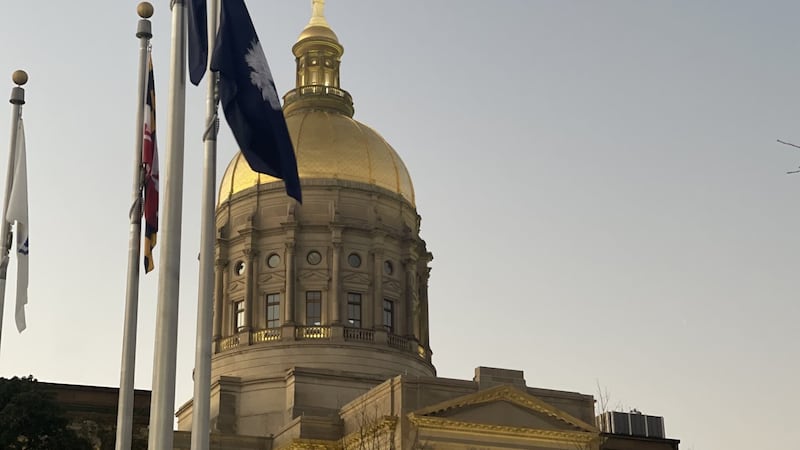
ATLANTA, Ga. (Atlanta News First) — For a second time on Thursday, the Georgia legislature’s Joint Elections Standards and Specifications Committee met to discuss new methods of tabulating votes.
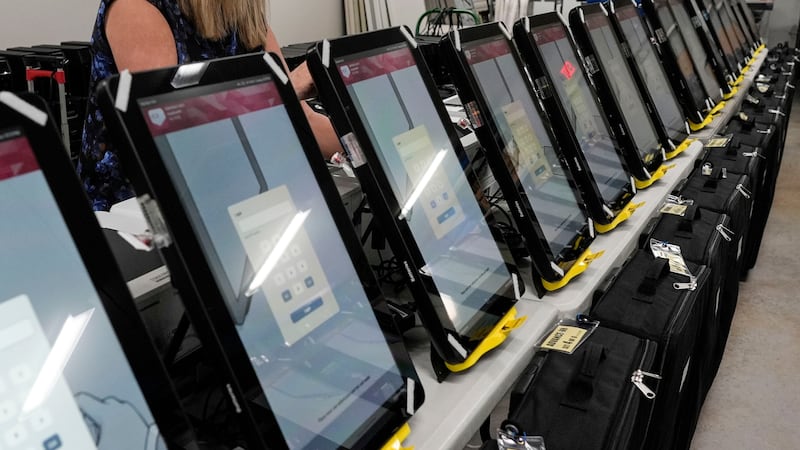
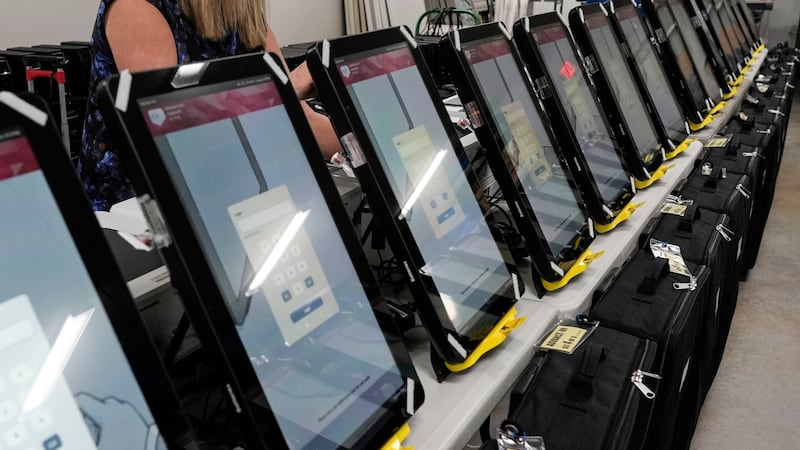
After lawmakers voted in 2024 to phase out the currently used method of tabulation that uses a generated QR-code to read and count ballots, they’re now on the clock to pick a new way to count votes.
At their second meeting, the committee took testimony from several local elections administrators to get their take on what a new system should look like.
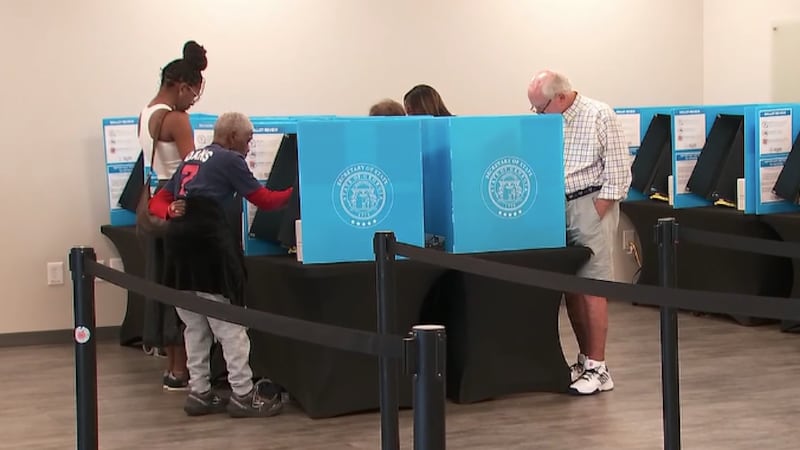
“Members want a system that is reliable, secure, practical and easy for the voters to understand and use,” said Green County Election Administrator Rebecca Anglin. “A successful elections system is not simply about the equipment itself, its about the entire process.”
Anglin noted that many clerks have expressed their desire in a ballot-on-demand system that would allow poll workers to print the exact ballot a voter needs on site at a precinct, regardless of jurisdiction. In local elections, some residents of the same county may have very different ballots depending on where they live for races like city council and school board.
“Whatever system is ultimately selected must be one that can be successfully implemented and maintained in all 159 counties, not one that simply works well in theory or a limited number of jurisdictions,” said Anglin. “A preprinted ballot system raises significant concerns regarding cost, logistics, storage, inventory management, ballot security and the ability to effectively manage ballot styles.”
Committee members also heard from local administrators on cyber security and the risk of digital interference in upcoming elections.
“Any future elections equipment we should be looking at should be air gapped and not accessible to the internet,” said Chris Channell, director of Glynn County elections.
Channell noted some state systems might be vulnerable to what he called denial of service attacks, where hackers overload a system to delay reporting of results, often sowing doubt in the elections results.
“These (attacks) can prevent that timely reporting of results and allow false narratives to be created,” he said, noting that some slammer counties have reported major lack of funding for their IT security. “A successful attack against any of the smaller counties can act as an open backdoor to all the state systems in every other county in the state. So considering funding for that would be awesome.”
The committee also heard from members of the disabled community, who expressed the importance of things like large text or Braille ballots for voters who are blind or visually impaired.
“Do not design the system first and ask people with disabilities whether we can use it later. Bring us to the table now,” said Shun Tucker-Allen, director of community engagement for New Disabled South. “Every eligible Georgia voter should be able to access, mark, review, verify and cast a ballot independently, privately, securely, and with dignity.”
The committee also heard testimony on the need for multi-lingual ballots. According to Dr. Anar Parikh, policy manager with the group Asian Americans Advancing Justice-Atlanta, around 14% of Georgia residents speak a language other than English at home. In 38 Georgia counties at least 10% of the population speaks a language other than English.
Section 203 of the Voting Rights Act require jurisdictions that have either 10,000 people or 5% of its citizens of voting age who are members of a single language minority group to provide ballots in that language. Currently, Parikh said, Gwinnett County is the only one jurisdiction that meets that criteria.
Copyright 2026 WANF. All rights reserved.