Invasive species discovered in Georgia poses ‘serious risk’ to state’s agriculture, GDA warns
ATLANTA, Ga. (Atlanta News First) - Georgians are being warned about an invasive species recently discovered for the first time in the Peach State.
On Thursday, the Georgia Department of Agriculture (GDA) said they received confirmation from the United States Department of Agriculture (USDA) that the first detection of the Spotted Lanternfly was discovered in Fulton County on Oct. 22. Officials say the first confirmed detection of the Spotted Lanternfly was made in Pennsylvania in 2014 and has spread to 17 states, including Tennessee and North Carolina.
GDA says the Spotted Lanternfly (Lycorma delicatula or SLF), is an invasive planthopper that poses a serious risk to the state’s agriculture. Although it does not pose a direct threat to human health, GDA says it feeds on a variety of plants, including grapes, hops, stone fruits, and hardwood trees. Its feeding weakens these plants and produces a sticky, sugary fluid that encourages the growth of sooty mold, further harming crops. While the SLF prefers the Tree of Heaven (Ailanthus altissima), it can significantly impact many other species, according to the department.
“We urge anyone who sees the Spotted Lanternfly in their area to document it, report it, and kill it. Controlling the spread of the Spotted Lanternfly is our best strategy for safeguarding Georgia’s agriculture industry, and we are asking for the public’s help in this effort,” Agriculture Commissioner Tyler Harper said in a statement.
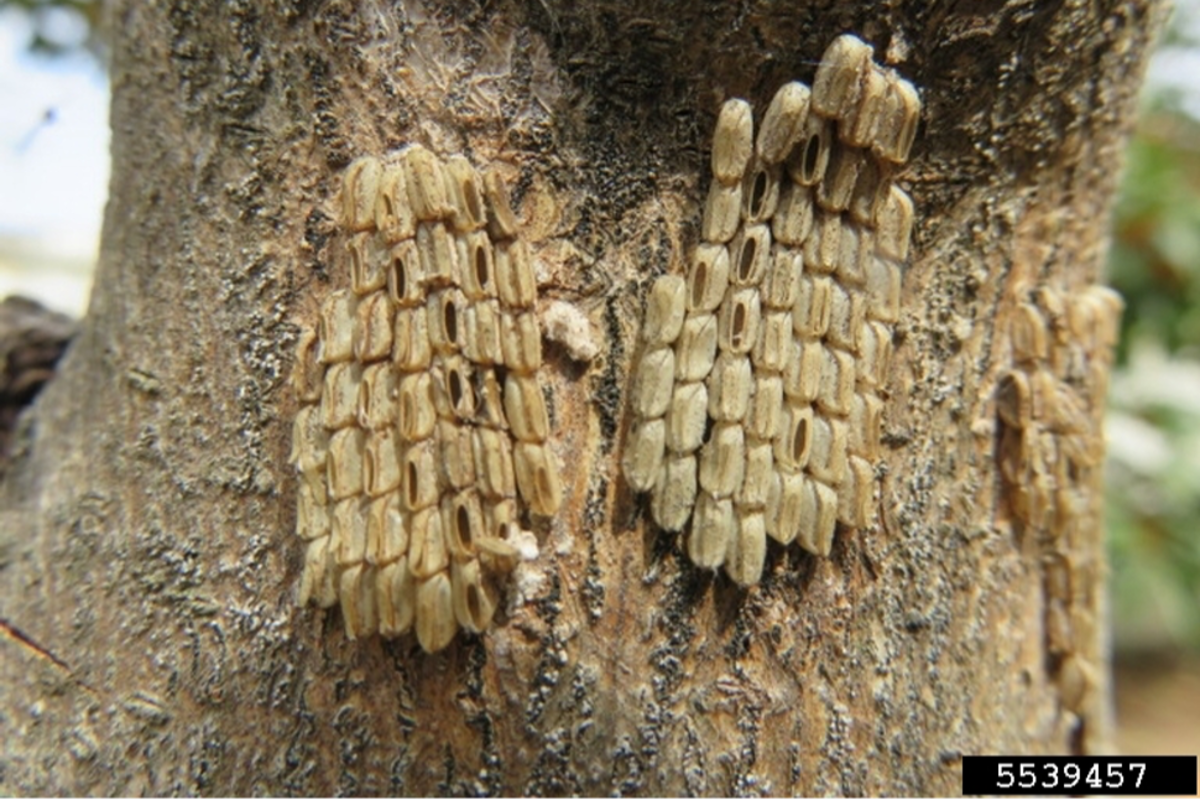
Officials say SLF lay eggs from September to November, which then survive through the winter months until hatching in the spring when temperatures warm up.
“Essentially, the adult lanternflies die with the first hard frost, but their eggs remain viable throughout the winter. We expect this stage of their life cycle to take place over the coming weeks,” the Georgia Department of Agriculture says.
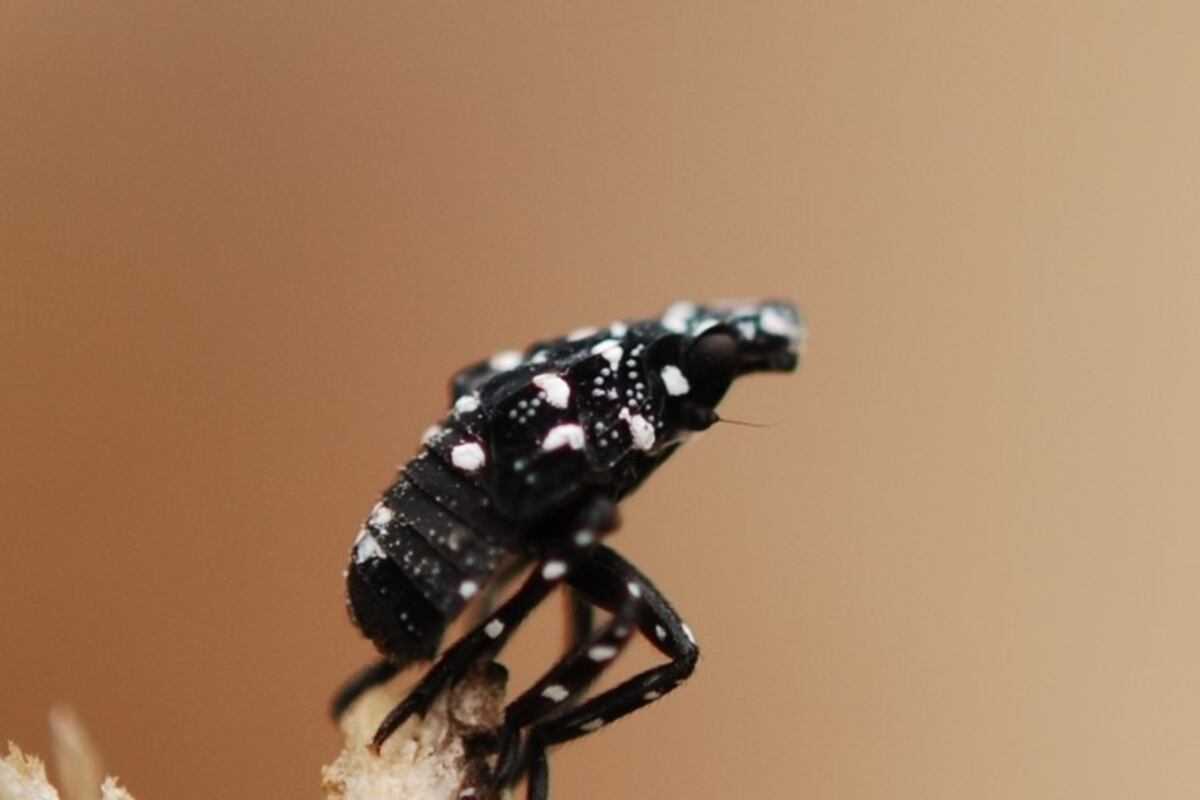
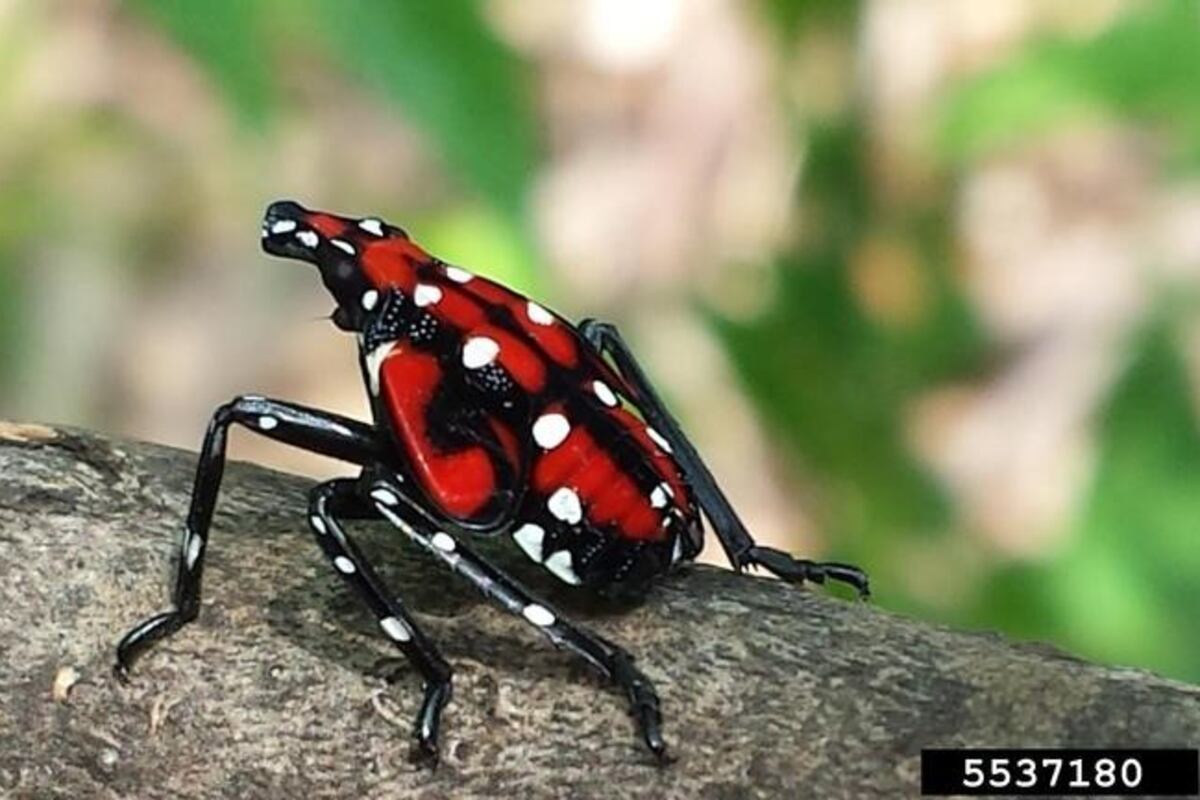
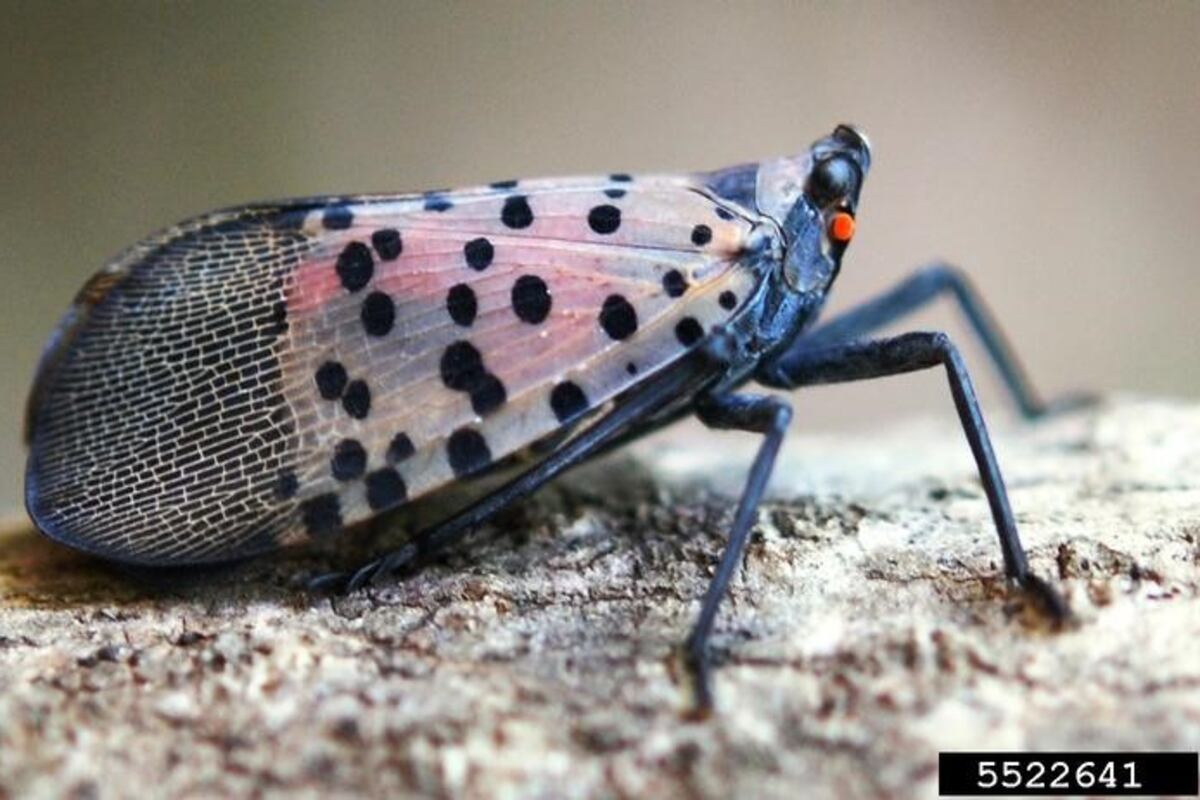
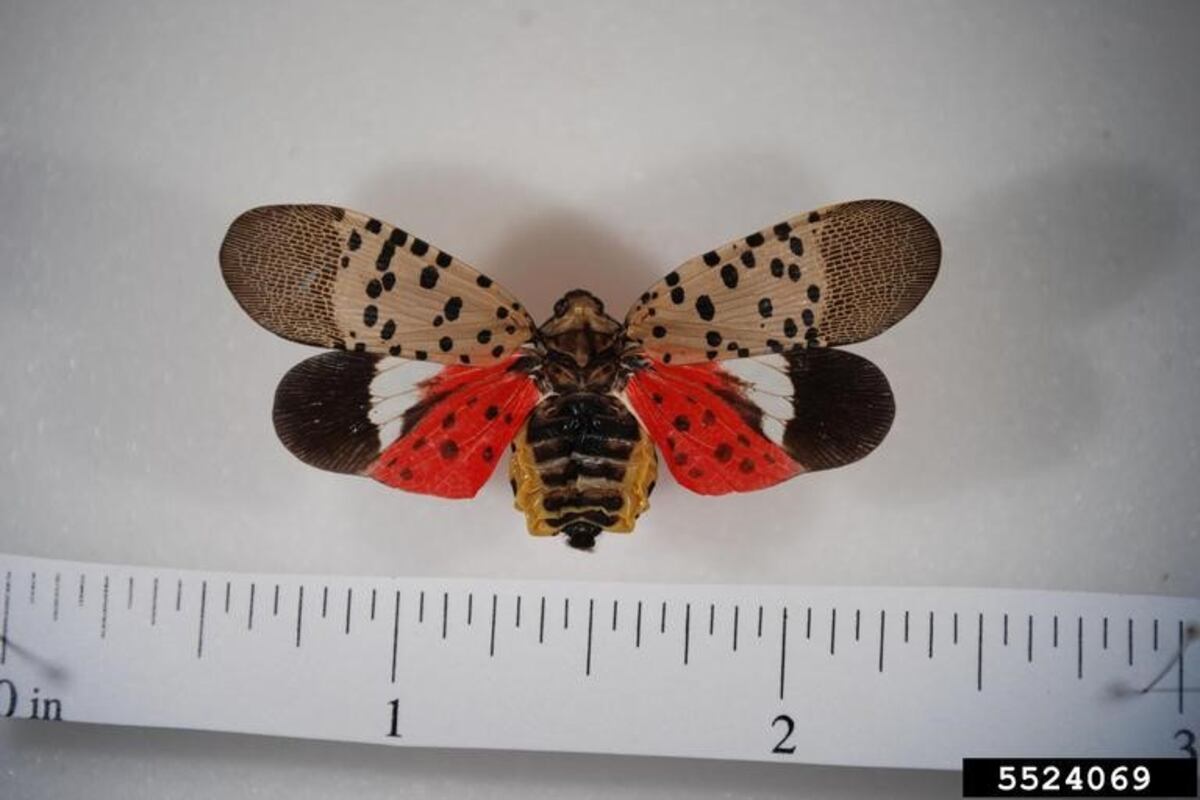
Here are photos of the stage of their life cycle.
Experts say those seeking professional treatment options should search for pesticide contractors or pest control companies.
You are also asked to report your sighting here.
Copyright 2024 WANF. All rights reserved.